
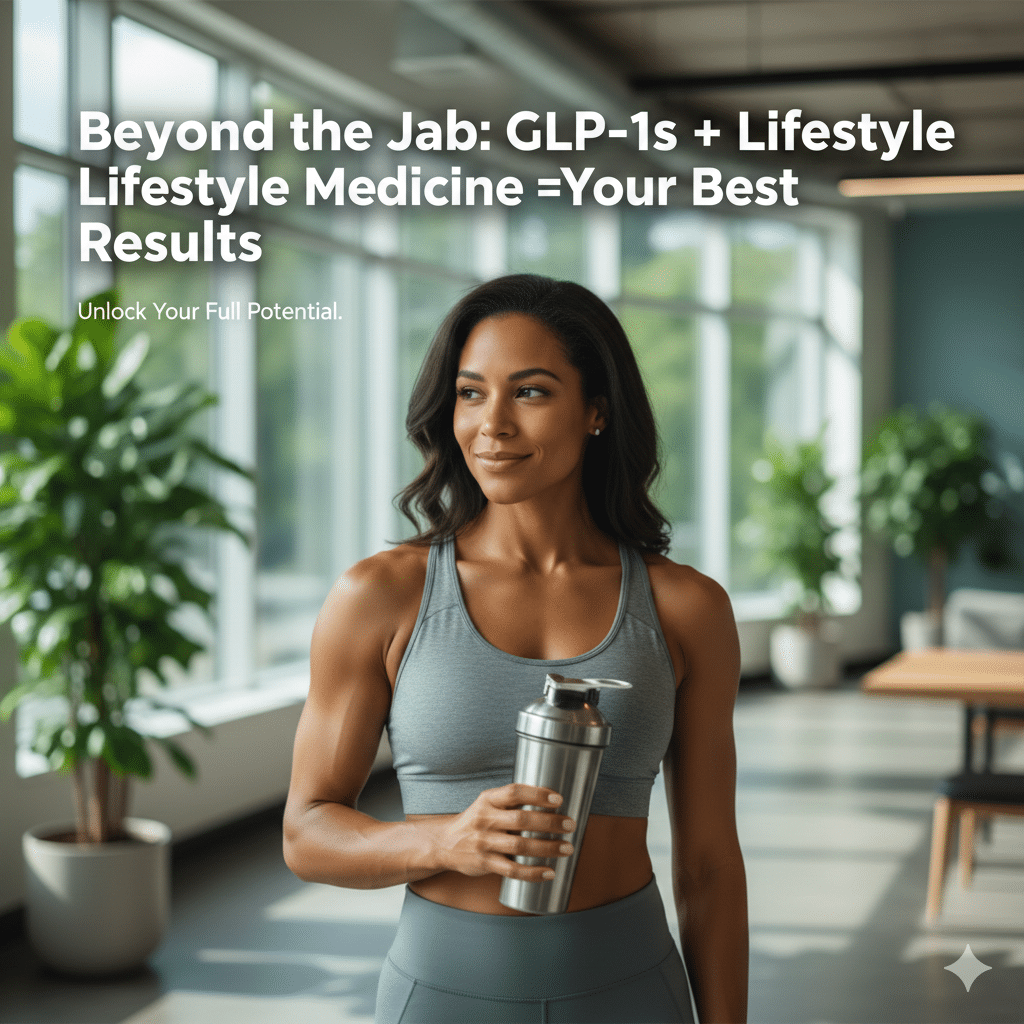
The rise of GLP-1 receptor agonists (like semaglutide and tirzepatide) has fundamentally changed the conversation around weight loss. For many, these medications are the “missing piece” of the puzzle, providing the metabolic support needed to finally see the scale move. Incorporating lifestyle medicine strategies can further enhance these effects.
As we delve deeper into the impact of GLP-1 receptor agonists, it’s essential to consider how these medications not only assist in weight loss but also influence overall metabolic health. For instance, studies have shown that patients on GLP-1 medications often experience improvements in blood glucose levels and reductions in the risk of cardiovascular disease. These additional benefits underscore the importance of incorporating lifestyle medicine changes alongside medication to maximize health outcomes.
In our clinic, we emphasize the importance of education in lifestyle medicine changes. This involves helping patients understand how food choices, exercise routines, and mental health strategies interconnect with their weight loss journeys. The goal is to create a comprehensive plan that not only focuses on achieving a target weight but also fosters long-term health and well-being. This holistic approach ensures that patients feel empowered and informed in their health decisions.
Moreover, the psychological aspect of weight loss cannot be overlooked. Many patients struggle with motivation and adherence to new routines. By incorporating behavioral strategies such as goal-setting, self-monitoring, and positive reinforcement, we help patients develop the mental resilience needed to sustain their progress. This psychological support is a critical component of our lifestyle medicine approach, ensuring that changes are not just temporary fixes but lasting transformations.
Additionally, the conversation around body composition is shifting. While many focus solely on the scale, it’s crucial to recognize that improvements in body composition—such as increased muscle mass and reduced body fat—can have far more significant health implications than weight alone. This is why our lifestyle medicine strategies prioritize not just weight loss but also muscle preservation and overall fitness.
In our practice, we’ve developed a robust education program about protein intake and its importance in a weight loss journey. We offer workshops and one-on-one sessions to teach patients how to incorporate high-quality protein sources into their diets. For example, educating patients about lean meats, fish, dairy, legumes, and plant-based proteins allows them to make informed choices that align with their dietary preferences and needs.
It’s also important to note that maintaining protein levels can help prevent muscle breakdown during a caloric deficit. Patients often mention feeling tired or weak when starting a new diet. By ensuring adequate protein intake, we can mitigate these feelings, helping patients feel stronger and more energetic throughout their weight loss journey.
However, the medication is only one half of the equation. At our practice, we view GLP-1s not as a solo act, but as a powerful window of opportunity. Without a clinical lifestyle strategy, two major risks emerge: the loss of metabolic-active muscle tissue and the “rebound” weight gain that often occurs if the medication is paused. Here is how lifestyle medicine acts as the essential partner to your prescription to ensure your results are both healthy and permanent, integrating with lifestyle medicine for optimal results in lifestyle medicine.
The “Muscle Tax”: Why Scale Weight Isn’t Everything
When you lose weight rapidly on a GLP-1, your body doesn’t just burn fat; it often harvests energy from muscle tissue. This is a critical concern because muscle is your metabolic engine. Losing muscle lowers your Basal Metabolic Rate (BMR), making it significantly harder to maintain your new weight in the long run. Our lifestyle medicine approach focusing on “Nutrient Density”—prioritizing fat loss while fiercely protecting your lean mass, utilizes principles of lifestyle medicine.
To further enhance our resistance training program, we encourage patients to set achievable fitness goals. This might include specific targets such as completing a certain number of repetitions or lifting a particular weight. These goals help to motivate patients and provide a sense of accomplishment as they see their strength and endurance improve over time. Moreover, tracking progress through fitness apps can also foster accountability and engagement in their workouts.
1. The Protein-Forward Protocol
GLP-1 medications significantly reduce appetite, which often leads to a “poverty of calories.” If you aren’t intentional, you will likely under-consume protein.
- The Strategy: We transition patients to a protein-forward nutrition plan. Protein provides the building blocks (amino acids) necessary to repair tissue and maintain muscle even in a caloric deficit.
- The Benefit: Higher protein intake also supports satiety and helps stabilize blood sugar, complementing the medication’s natural effects.
2. Resistance Training: The Metabolic Insurance Policy
We also emphasize the importance of recovery in a resistance training regimen. Educating patients about the role of rest days, sleep, and nutrition in muscle recovery can enhance their overall results and prevent injuries. Knowing when to push hard and when to rest can significantly impact their progress and long-term adherence to the program.
In preparing for a potential transition off medication, we guide patients to gradually incorporate new habits that will support their long-term weight management. This might include developing meal prep routines, learning to read nutrition labels effectively, or finding enjoyable physical activities that can be sustained beyond the medication. By building these habits during their time on GLP-1s, patients are more likely to succeed in maintaining their weight loss after discontinuation.
Furthermore, we encourage regular follow-up appointments to monitor progress and address any setbacks. These touchpoints allow us to adjust strategies as needed and reinforce the importance of persistence in the face of challenges. Patients often report feeling more supported and motivated when they know they have a team behind them, helping them navigate their health journey.
Cardio is great for heart health, but resistance training is non-negotiable when on a GLP-1. Lifting weights or performing bodyweight resistance sends a chemical signal to your body that your muscle is “in use” and should not be broken down for fuel.
In addition to physical strategies, we recognize the role of mental and emotional health in achieving optimal weight loss results. Mindfulness practices, stress management techniques, and even therapy can be beneficial in addressing emotional eating or unhealthy relationships with food. By incorporating these strategies into our lifestyle medicine framework, we aim to support patients holistically, ensuring that all aspects of their health are considered.
Ultimately, our goal is not just weight loss but fostering a lifestyle that promotes wellbeing and health longevity. Integrating GLP-1 therapy with proactive lifestyle changes sets the stage for sustainable success. Patients leave our program not only lighter but equipped with the knowledge and habits that will serve them for a lifetime.
- The Focus: Compound movements that engage multiple muscle groups.
- The Result: You emerge from your weight loss journey not just smaller, but stronger, tighter, and with a metabolism that can handle a normal caloric intake.
Preventing the Rebound: Creating a “Soft Landing”
The biggest fear many patients have is: “What happens if I stop the medication?” Lifestyle medicine provides the “soft landing.” By using the period while you are on the medication to bake in high-protein habits and a consistent strength routine, you are effectively reprogramming your physiology.
The GLP-1 Difference: Medication vs. Lifestyle Integration
| Feature | Without Lifestyle Medicine | With Lifestyle Medicine (Our Practice) |
| Muscle Mass | High Loss: Up to 40% of weight lost can be lean muscle. | Muscle Retention: Prioritized through protein-forward nutrition and lifting. |
| Metabolic Rate | Slows Down: Significant drop in metabolism as muscle is lost. | Shielded: Metabolism is protected by maintaining metabolically active tissue. |
| Behavioral Foundation | Passive: Relying solely on the drug to suppress appetite. | Active: Building structured nutrition and functional movement skills. |
| Long-Term Outlook | High Risk: Rapid weight regain is common if medication is paused. | Sustainable: A “soft landing” designed for permanent weight maintenance. |
Optimize Results
We don’t just want you to lose weight; we want you to gain health. By partnering GLP-1 therapy with a rigorous focus on nutrition and strength, we ensure that the “new you” is metabolically resilient and ready for the long haul.
The bottom line: The medication starts the journey, but lifestyle medicine is essential to achieving lasting results.