
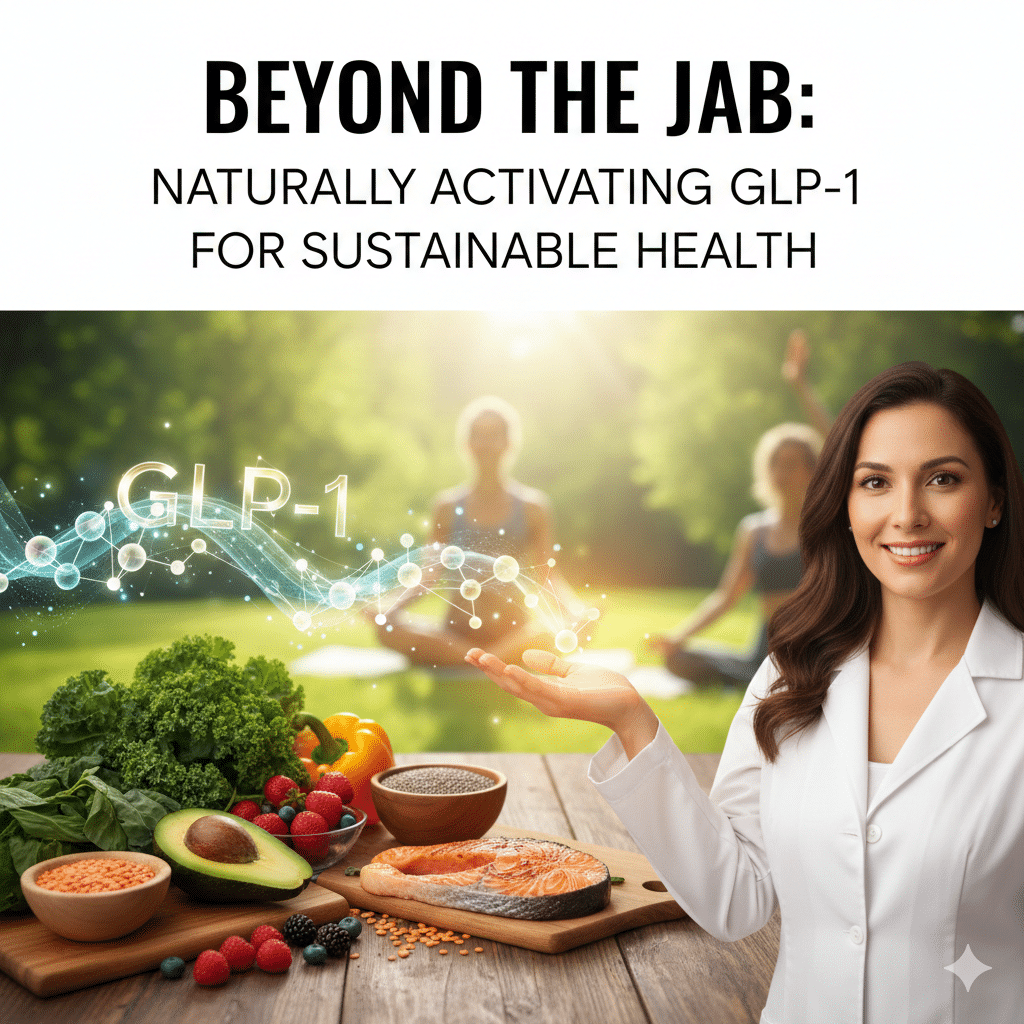
In the evolving landscape of health and wellness, new discoveries continually offer us deeper insights into how our bodies function and how we can optimize them. One such discovery gaining significant attention is the role of Glucagon-Like Peptide-1. While recent pharmaceutical advancements have highlighted its power for weight management and metabolic health, what if we told you there are natural, sustainable ways to activate this incredible hormone?
Activating GLP-1 naturally is essential for maintaining optimal health.
Raising levels of GLP-1 can lead to improved metabolic processes.
When GLP-1 levels are optimized, individuals often report enhanced mood and focus.
Elevated GLP-1 levels can also contribute to better cardiovascular outcomes.
By boosting GLP-1, we can naturally support our energy regulation.
Understanding how to increase GLP-1 can be transformative for health.
In recent years, the health community has witnessed a surge in interest surrounding the hormone, particularly due to its implications in obesity and diabetes management. Studies have shown that individuals with higher natural levels often experience better metabolic outcomes. For instance, a study published in the ‘Journal of Clinical Endocrinology & Metabolism’ highlighted that people on a fiber-rich diet demonstrated significantly higher levels compared to those consuming low-fiber diets. This indicates that our dietary choices can profoundly influence our hormonal balance and overall wellness.
Activating GLP-1 through lifestyle choices can significantly enhance your well-being.
GLP-1 is essential for various bodily functions.
By understanding the importance of GLP-1, we can leverage its benefits for our overall health.
Moreover, understanding the significance of this hormone extends beyond weight management. It is intricately linked to our energy levels, mood, and even cognitive function. Research indicates that adequate levels can potentially enhance memory and learning capabilities, making it an essential hormone for mental health as well. As we explore ways to activate it naturally, we not only aim for better physical health but also mental clarity and emotional stability.
To support your GLP-1 production, focus on your overall health.
This hormone is not just a simple metabolic regulator; it is a multifaceted hormone that also plays a role in cardiovascular health. Studies have suggested that higher levels are associated with improved heart health due to their ability to lower blood pressure and reduce inflammation. This aspect is particularly crucial as cardiovascular diseases remain a leading cause of mortality worldwide. Understanding its diverse functions can empower individuals to make informed lifestyle choices to support their long-term health.
Incorporating foods that promote GLP-1 is an effective strategy.
As we delve deeper into each function, it’s essential to recognize how these processes interact with one another. For instance, the relationship between insulin release and satiety signals illustrates how our body intricately manages energy. When we eat, it facilitates insulin secretion, which in turn helps lower blood sugar levels. This physiological response not only prevents spikes in blood glucose but also contributes to feelings of fullness, showcasing the harmonious relationship between these processes. This interconnectedness underscores why it is vital to maintain optimal levels through natural means.
Ensure your meals include items that encourage GLP-1 secretion.
At Holistic NP Mobile Clinic, we believe in empowering your body’s innate healing capabilities. Functional medicine principles guide us to look beyond quick fixes and delve into the root causes of health challenges. Understanding and harnessing your body’s natural production of this hormone is a perfect example of this philosophy in action.
What is GLP-1 and Why Does It Matter?
This hormone is produced in your gut that plays a crucial role in regulating blood sugar, appetite, and even brain function. It’s like a conductor orchestrating several vital processes in your body:
- Insulin Release: GLP-1 stimulates the pancreas to release insulin in response to food, helping to lower blood sugar.
- Satiety Signals: It slows down gastric emptying, making you feel fuller for longer, which can naturally reduce calorie intake.
- Reduced Cravings: GLP-1 can also impact brain regions involved in reward and appetite, potentially reducing cravings for unhealthy foods.
- Cell Protection: Emerging research suggests GLP-1 may even have protective effects on pancreatic beta cells and neurons.
While pharmaceutical agonists are making headlines, our focus is on helping your body produce and utilize its own effectively, leading to more sustainable and holistic health benefits.
Your Natural GLP-1 Activation Plan
Protein-rich diets can significantly influence GLP-1 levels.
To create an effective activation plan, we need to consider not just diet, but holistic lifestyle changes. Each individual’s journey will be unique, and it is essential to tailor these recommendations according to personal preferences, dietary restrictions, and life circumstances. For example, while some might thrive on a plant-based diet, others may find that incorporating animal proteins works best for their body. Flexibility and personalization in approach will lead to the most sustainable health outcomes.
The good news is that you have significant power to influence your levels through lifestyle choices. Here’s how we approach it at Holistic NP Mobile Clinic:
1. Embrace a Whole Foods, Fiber-Rich Diet:
Healthy fats can work synergistically with GLP-1.
It is also worth noting that the way we prepare our food can influence production. Cooking methods such as steaming, roasting, or grilling can help preserve the nutrients and fiber in foods, making them more beneficial for gut health. Additionally, incorporating fermented foods, like kimchi and yogurt, can introduce beneficial probiotics to the diet, further enhancing gut health and promoting secretion.
Your gut microbiome is a key player in production. When you consume fiber-rich foods, beneficial gut bacteria ferment these fibers, producing short-chain fatty acids (SCFAs) that stimulate release.
- Focus on: Colorful vegetables, fruits, legumes, nuts, seeds, and whole grains.
- Think: A vibrant salad with leafy greens, berries, and chia seeds; a hearty lentil soup; or overnight oats with nuts and seeds.
2. Prioritize Protein at Every Meal:
Physical activity not only enhances your mood but also promotes GLP-1 levels.
Protein has a powerful effect on satiety and can directly stimulate release. Including adequate protein with each meal helps stabilize blood sugar and keeps you feeling full.
Moreover, timing your protein intake is just as important as the type of protein consumed. Consuming protein at regular intervals throughout the day, rather than loading it all into one meal, can help maintain steady levels. This approach can prevent the energy crashes often associated with high-carb meals, allowing you to stay energized and focused throughout the day.
- Choose: Lean meats, poultry, fish, eggs, dairy, and plant-based proteins like tofu, tempeh, and lentils.
3. Incorporate Healthy Fats:
Incorporating healthy fats into your diet doesn’t just improve levels; it also enhances overall nutrient absorption. Certain vitamins, such as A, D, E, and K, are fat-soluble, meaning they require fat for proper absorption. This synergy between fats and vitamins can optimize your health further, supporting various bodily functions.
Effective stress management can positively impact GLP-1.
While some fats can slow digestion, certain healthy fats, particularly those rich in omega-3s, can also contribute to secretion and overall metabolic health.
- Opt for: Avocados, olive oil, nuts, seeds, and fatty fish like salmon and mackerel.
4. Move Your Body Regularly:
Ultimately, prioritizing GLP-1 can lead to a healthier lifestyle.
Physical activity is a potent tool for improving metabolic health, and it can also enhance levels. Even moderate exercise can make a difference.
Additionally, varying your physical activity can be beneficial. Incorporating activities that focus on flexibility and balance, such as yoga or pilates, can help reduce stress and improve overall body awareness. This holistic approach to movement can further enhance the benefits of exercise on levels, leading to better metabolic health.
- Aim for: A mix of cardiovascular exercise (like brisk walking or cycling) and strength training.
- Consider: A 30-minute walk after meals to aid digestion and blood sugar regulation.
5. Manage Stress Effectively:
Chronic stress can wreak havoc on your hormones, including those that regulate appetite and metabolism. Implementing stress-reduction techniques is vital for overall health.
- Practice: Mindfulness, meditation, deep breathing exercises, yoga, or spending time in nature.
In today’s fast-paced world, it is essential to cultivate a lifestyle that prioritizes mental well-being. Engaging in social activities, pursuing hobbies, and maintaining strong relationships can all contribute to stress reduction. Research indicates that supportive social networks can help mitigate the effects of stress on the body, fostering a healthier hormonal balance, including glp-1.